

In a quiet part of the city, there was a building that once held only exhibits behind glass. People visited, looked, and left. It was a museum of peace — but it hadn’t yet felt alive. One day, a group of peacemakers decided to transform it into more than a museum. They created spaces where visitors could gather, talk, and create together. There were rooms for dialogue circles, workshops where people shared stories of reconciliation, and walls where anyone could contribute art or writing about hope. Local schools, elders, and community groups came to plant ideas and friendships alongside the exhibits. Slowly, the museum changed. Strangers became collaborators. Visitors didn’t just look at history; they became part of it, co-creating spaces of trust, learning, and connection. Arguments and misunderstandings were softened through conversation sessions, and ideas of peace spread quietly through human interaction. We became a museum. We made peace, shared it, and made it visible. And as more people came to sit, speak, and create, the museum itself became a living symbol — a glimpse of the future where peace is not just a dream, but a shared, present, and visible reality

Peace Museums: A Global Network for Peace
Peace Museums is a worldwide network dedicated to documenting, promoting, and sharing peace. More than just museums, these spaces serve as meeting points for peacemakers, fostering dialogue, understanding, and action. From Vienna to Paris, Nepal to Colorado, peace has a place in every country - and in every heart.
Peace Museums
-
![]()
Peace Museum Colorado
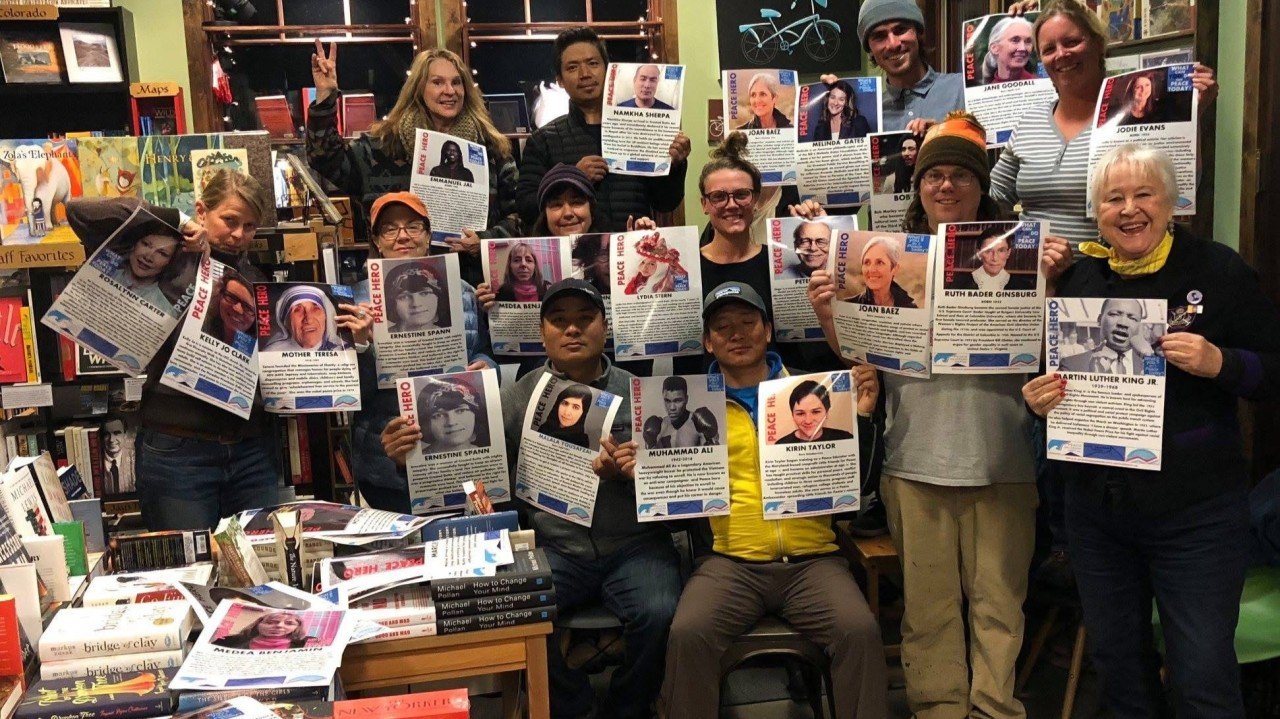
Established in 2016, the Peace Museum Colorado extends the Peace Museums' mission in the United States by promoting peace education and inspiring visitors through the lives and achievements of Peace Heroes.
-
![]()
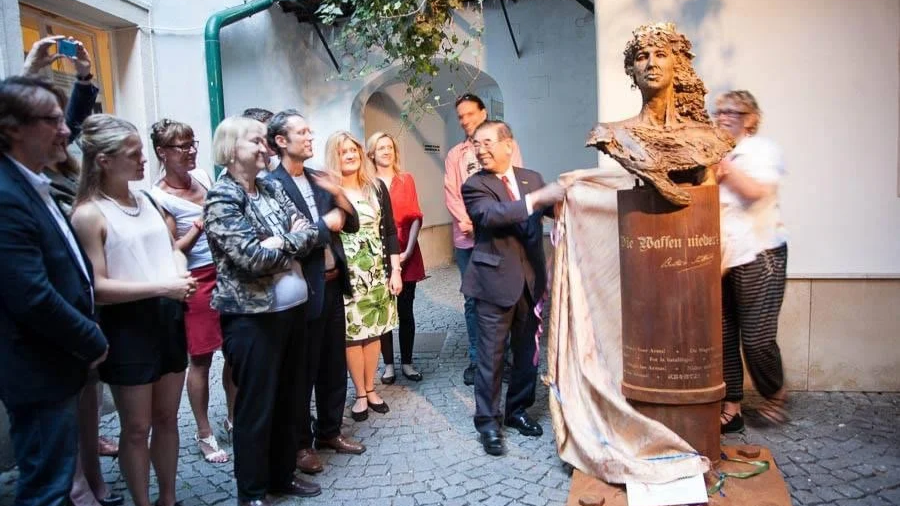
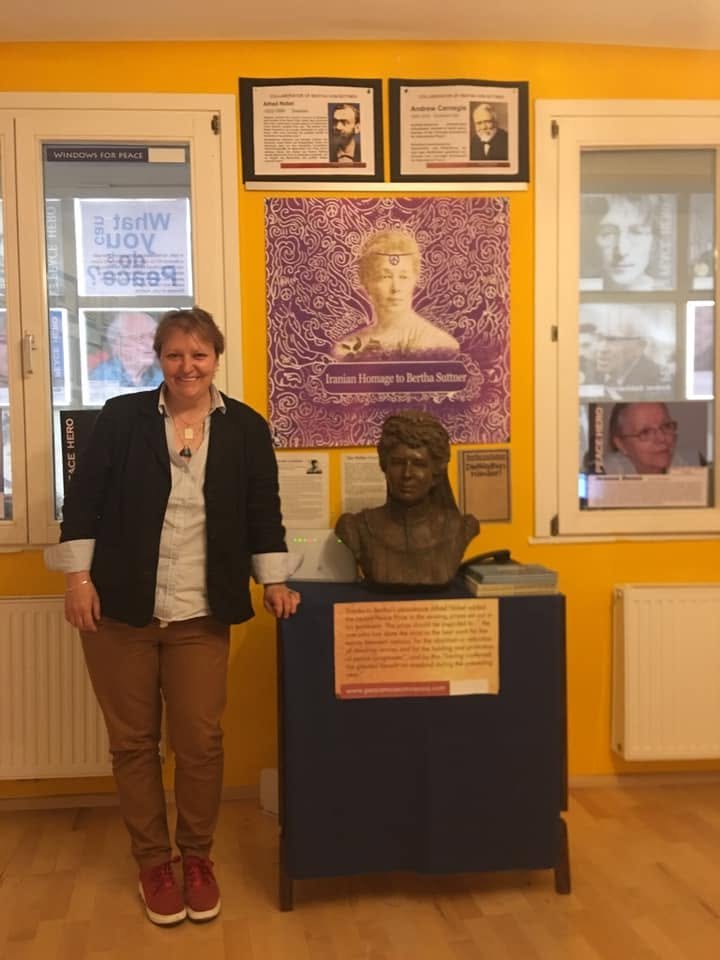
Peace Museum Vienna
Founded on 21 June 2014, the Peace Museum Vienna commemorated the 100th anniversary of the death of Bertha von Suttner, the first female Nobel Peace Prize laureate. It promotes peace education through the stories of Peace Heroes, exhibitions, dialogue, and community engagement.
-
![]()
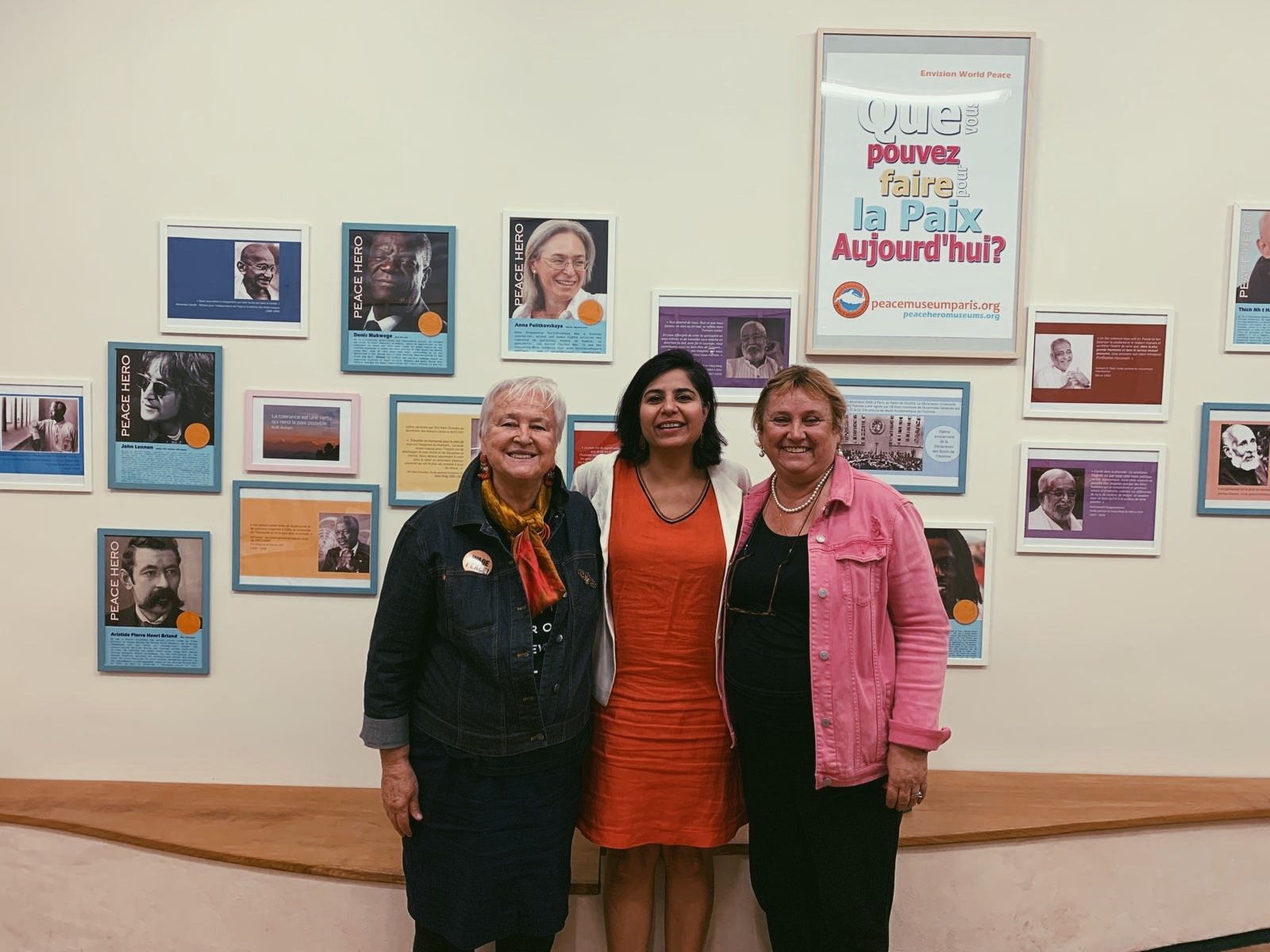
Peace Museum Paris
Opened in 2019, the Peace Museum Paris is dedicated to spreading peace through exhibitions, conferences, educational programs, and activities that encourage dialogue, nonviolence, and civic engagement, particularly among young people.
-
![]()
Peace Museum Romania
Founded in 2016, the Peace Museum Romania, located in Vlașca, promotes a culture of peace through educational initiatives, exhibitions, and community activities that encourage dialogue, nonviolence, and cooperation.
-
![]()
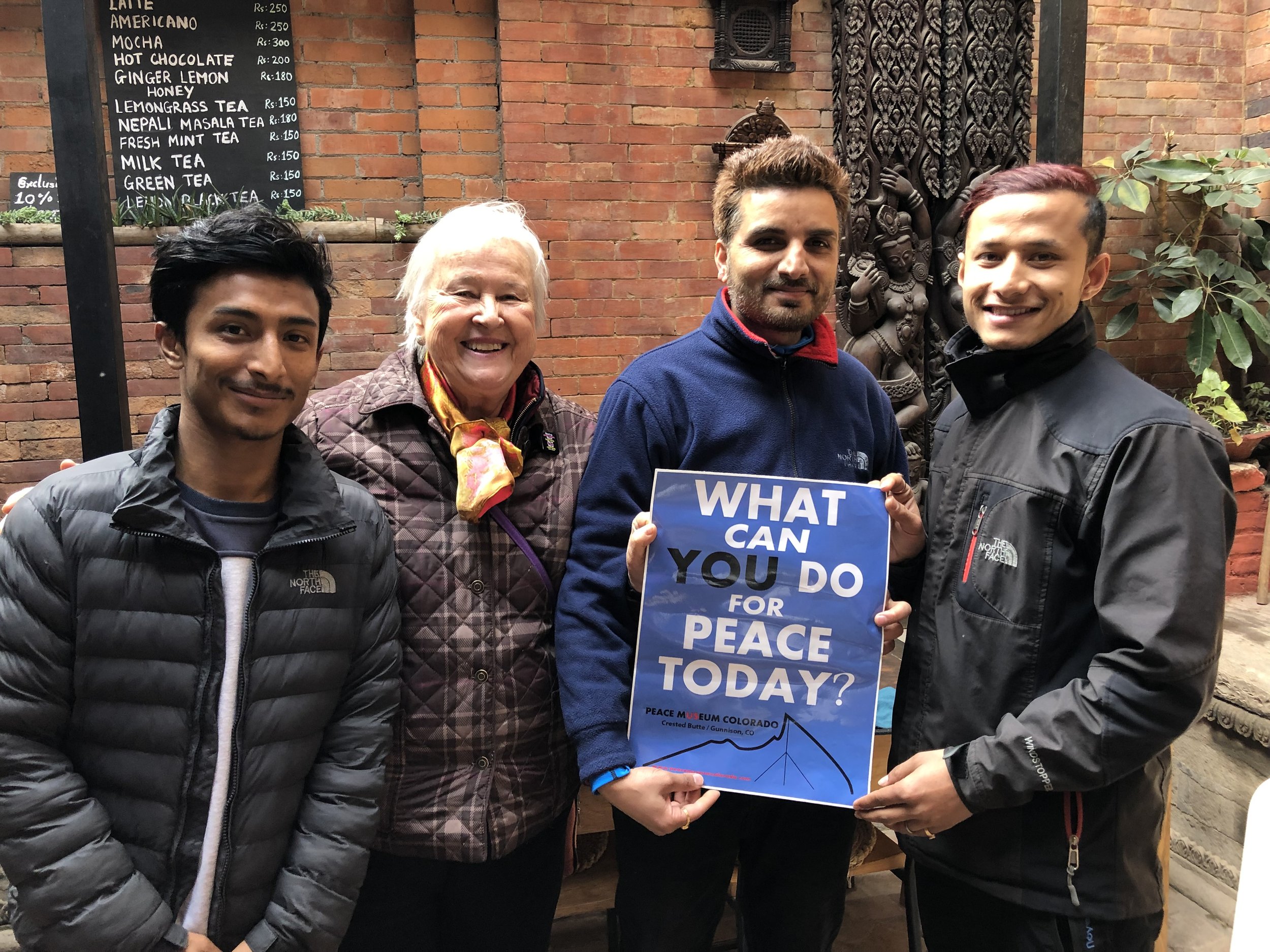
Peace Museum Nepal
Founded in 2017, the Peace Museum Nepal was established in the aftermath of the devastating 2015 earthquake. The museum was created as a space to foster dialogue, resilience, and reconciliation by preserving stories of peacebuilding and community recovery.
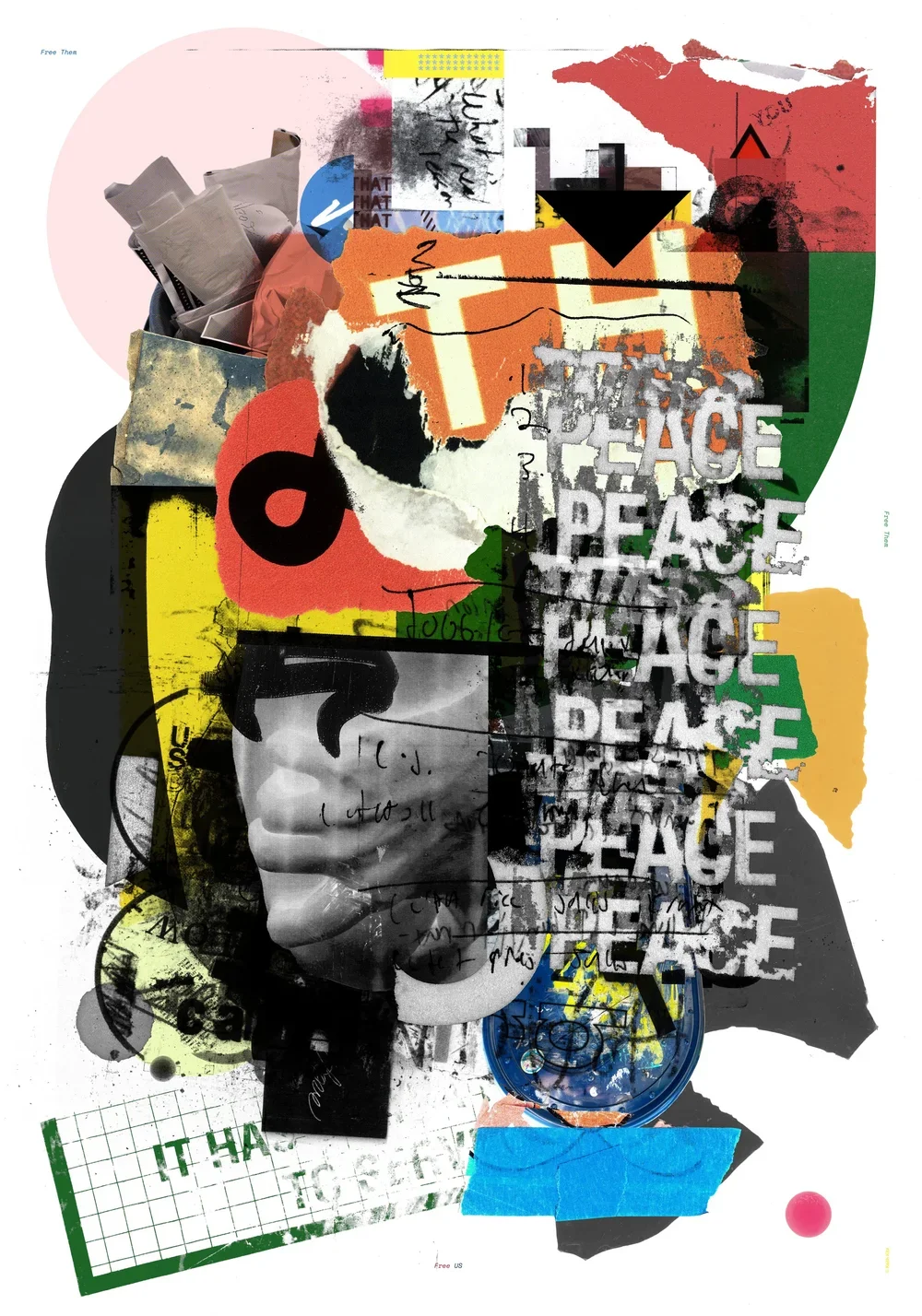
Definitions of Peace
What is “Peace” exactly?
Peace is a state of harmony where people live free from violence, fear, and oppression. It means not only the absence of war, but also the presence of justice, equality, and respect for all.
Positive peace is more than just the absence of violence or war — it's the presence of justice, equality, and sustainable systems that support human dignity and well-being. It includes the structures, attitudes, and institutions that create and maintain peaceful societies.
While negative peace refers to the end of direct conflict (such as a ceasefire), positive peace addresses the deeper causes of conflict, including poverty, discrimination, and lack of access to education or opportunity.
Peace Museums are dedicated to the concept of positive peace. Its mission goes beyond remembering history — it actively promotes dialogue, education, and community action focused on building a more just, inclusive, and compassionate world.
Meet the Team
-
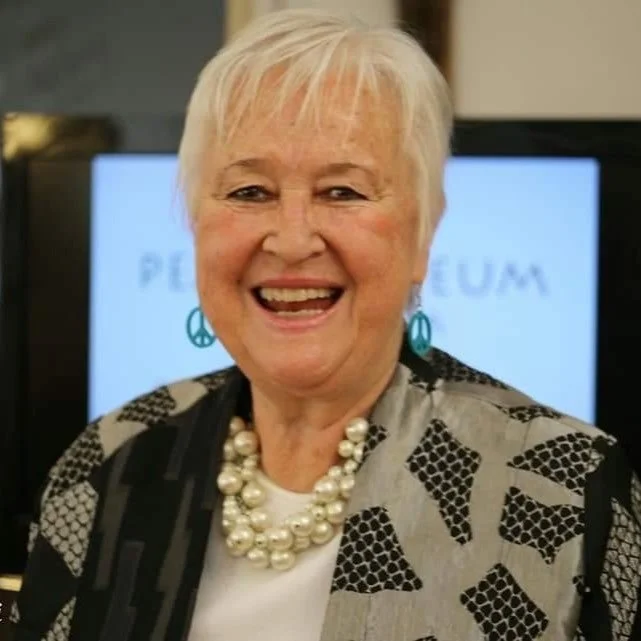
![An elderly woman with short white hair smiling, wearing a black and white patterned jacket, pearl necklace, and turquoise earrings in front of a screen displaying the word "PEACE" with peace signs.]()
Liska Blodgett
Founder of Peace Museums Paris - Vienna- Colorado - Nepal
-
![A woman with shoulder-length dark hair with reddish highlights, smiling, wearing a white blazer and drop earrings, against a white background.]()
Chhaya Mathur Saint Ramon
Peace Museums Paris
-
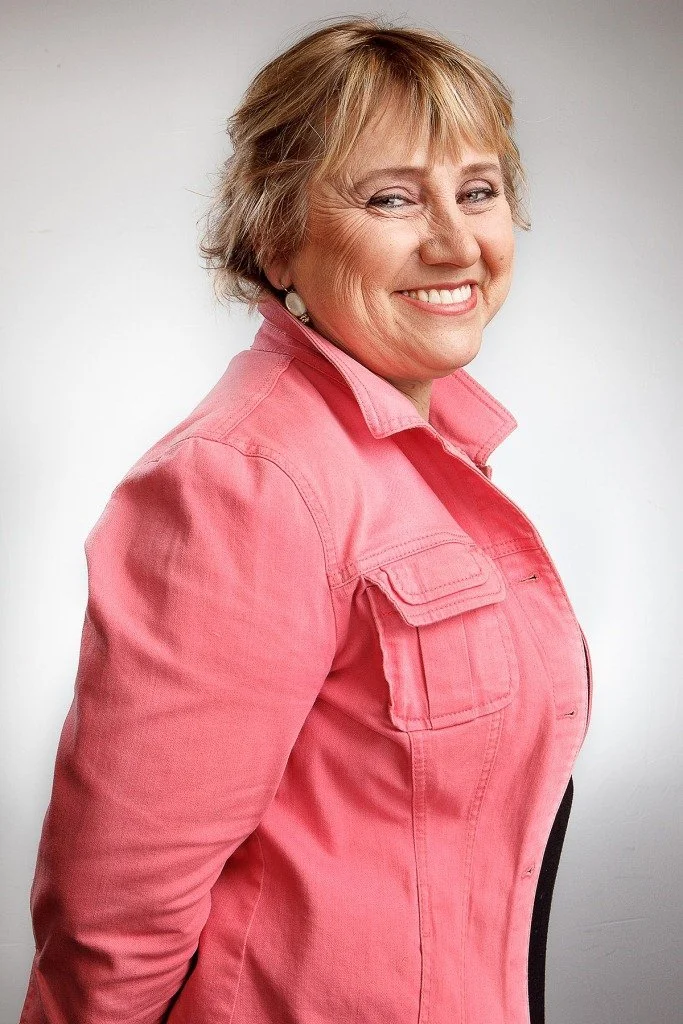
![Smiling woman with short blonde hair wearing a pink denim jacket and pearl earrings, facing slightly to the side against a plain light background.]()
JANICKA BASSIS
Peace Museum Paris
-
![Close-up photo of a middle-aged man with brown hair, brown eyes, and a salt-and-pepper beard and mustache, wearing a cream-colored sweater with buttons on the shoulder, against a plain white background.]()
Pere Oliva
Peace Museum Paris
-
![A woman with long brown hair smiling and resting her chin on her hand, holding a piece of paper, in an indoor setting.]()
Roxana Alvarez
Peace Museum Colorado
-
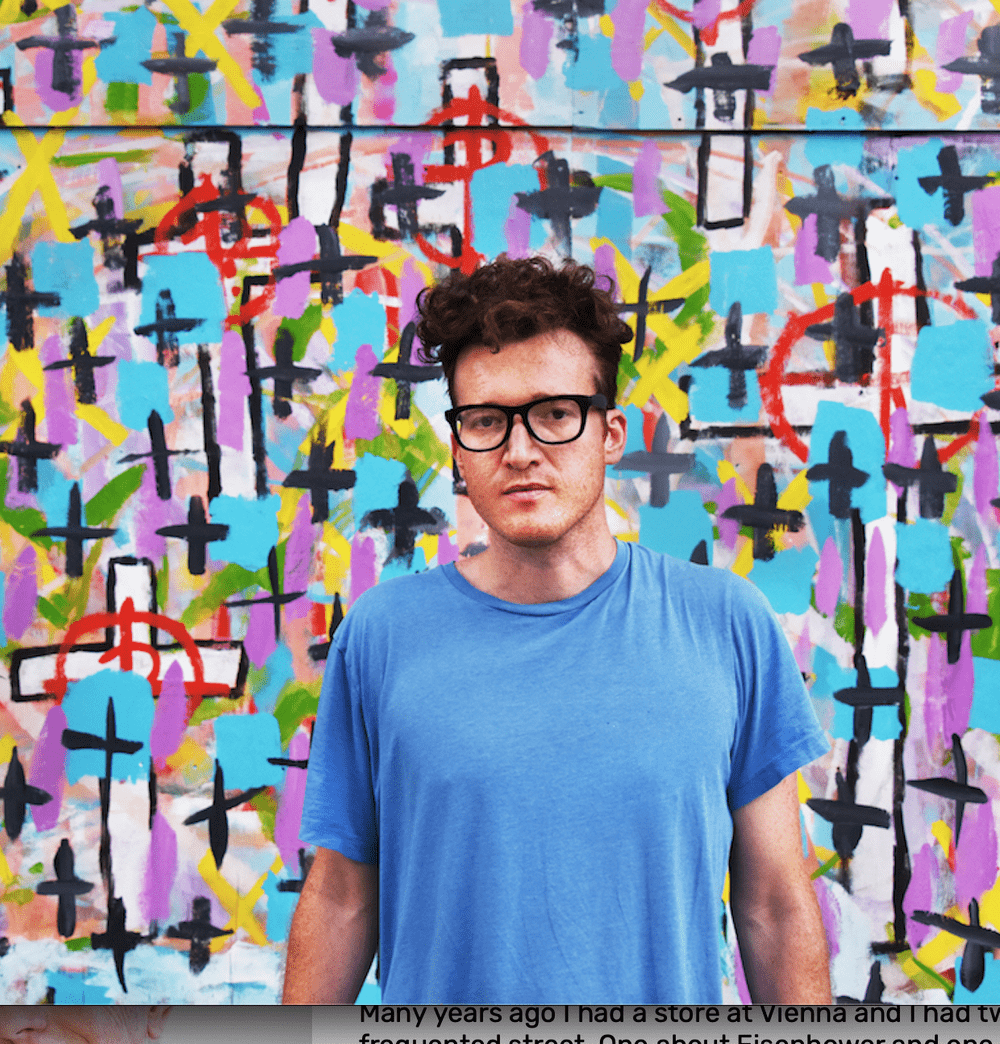
![A young man with curly brown hair and glasses standing in front of a vibrant, abstract mural with colorful crosses and shapes in blue, yellow, red, purple, black, and green.]()
Robert Blodgett
Peace Museum Colorado
-
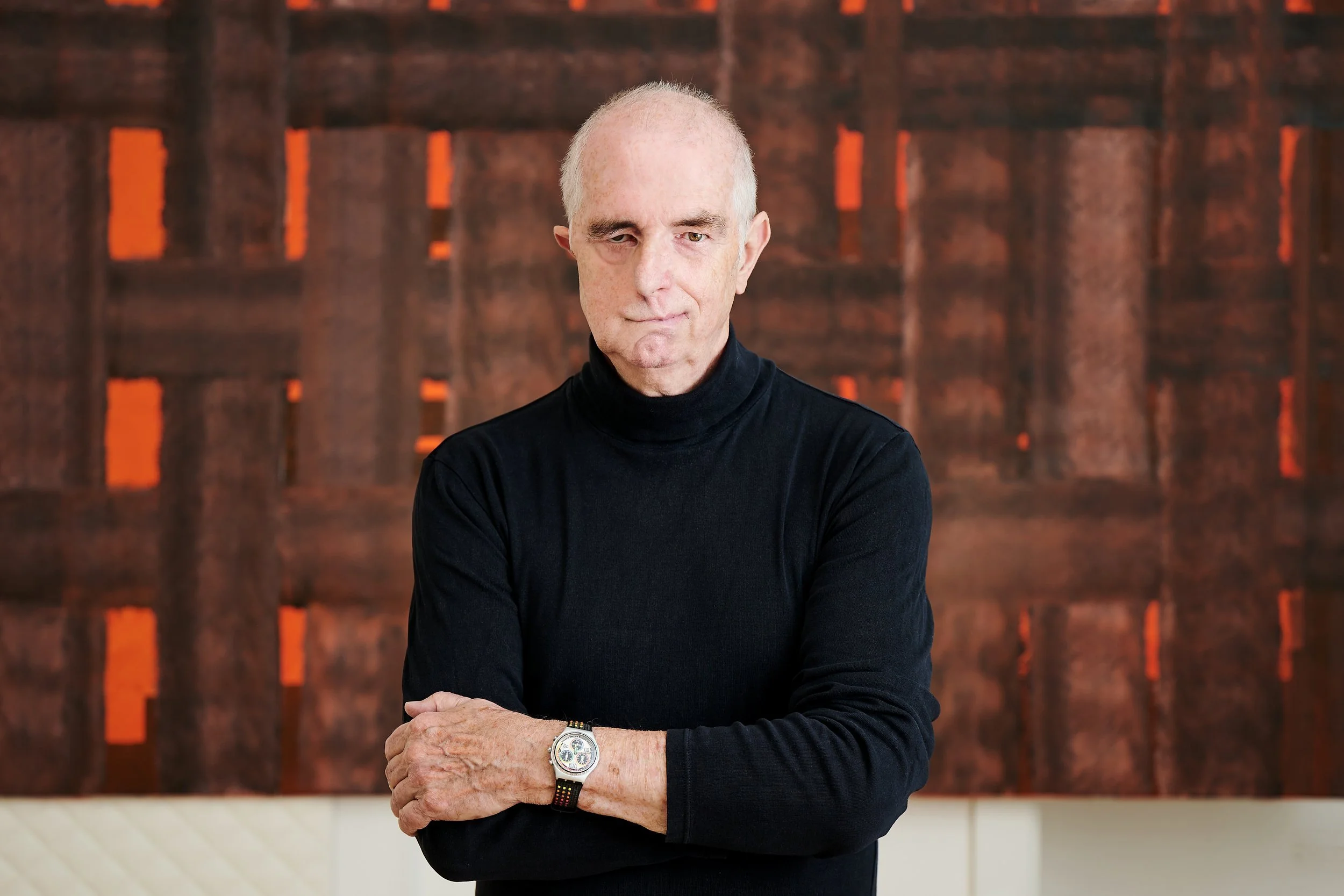
![A middle-aged man with short, light-colored hair wearing a black turtleneck sweater and a wristwatch, standing in front of a wooden background with orange accents.]()
Fritz Fuhrmann
Peace Museum Vienna
-
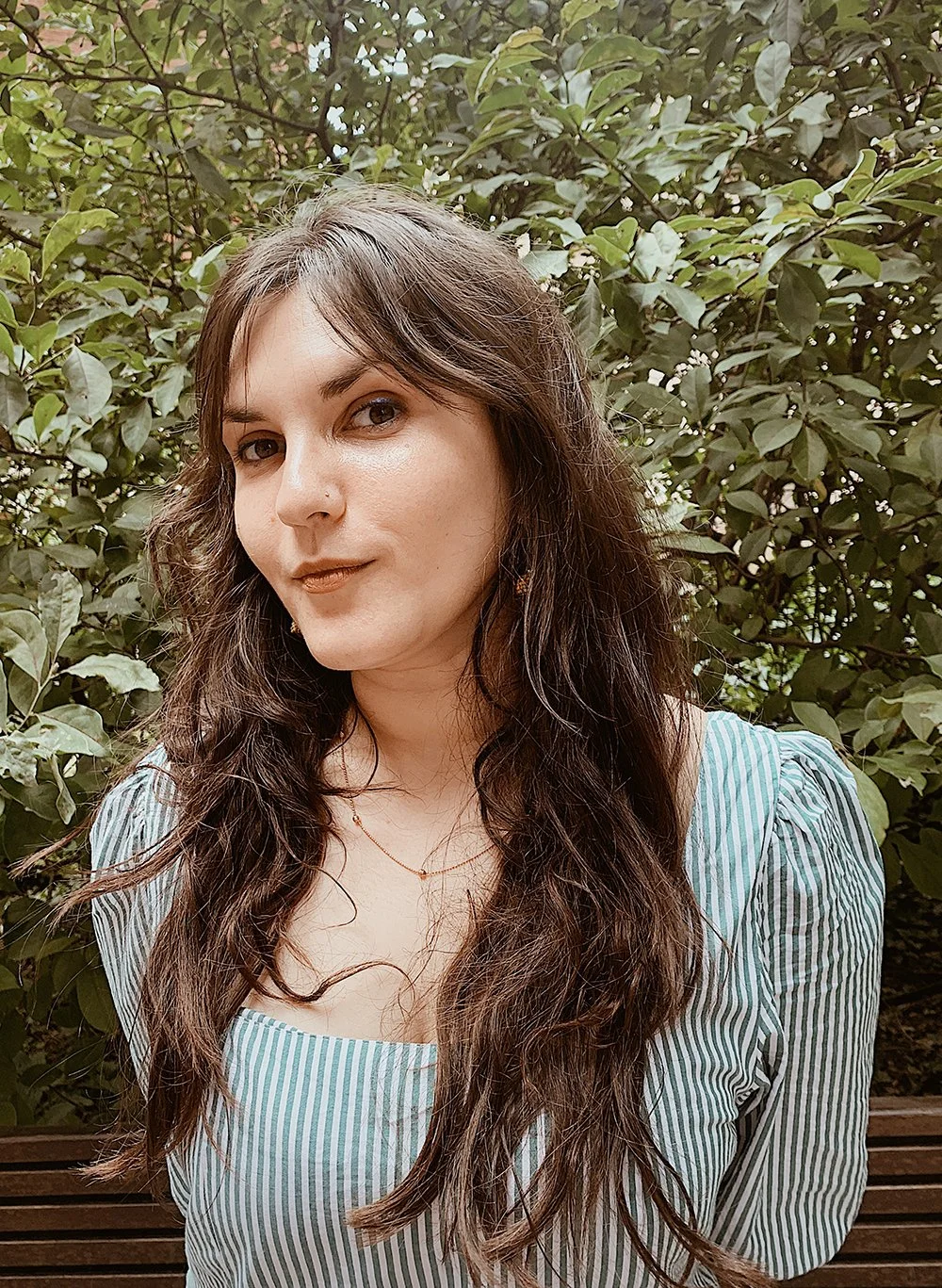
![A woman with long, wavy brown hair and light makeup, wearing a blue and white striped top, posing outdoors in front of green foliage.]()
Anna Rabko
Peace Museum Vienna
-
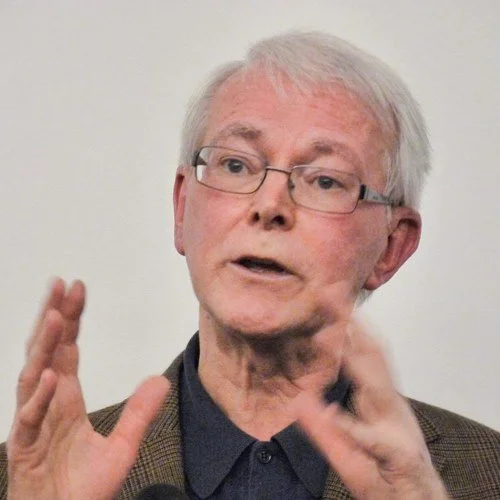
![An elderly man with gray hair, glasses, and a brown plaid blazer, speaking and gesturing with his hands.]()
Peter van den dungen
Peace Museums
-
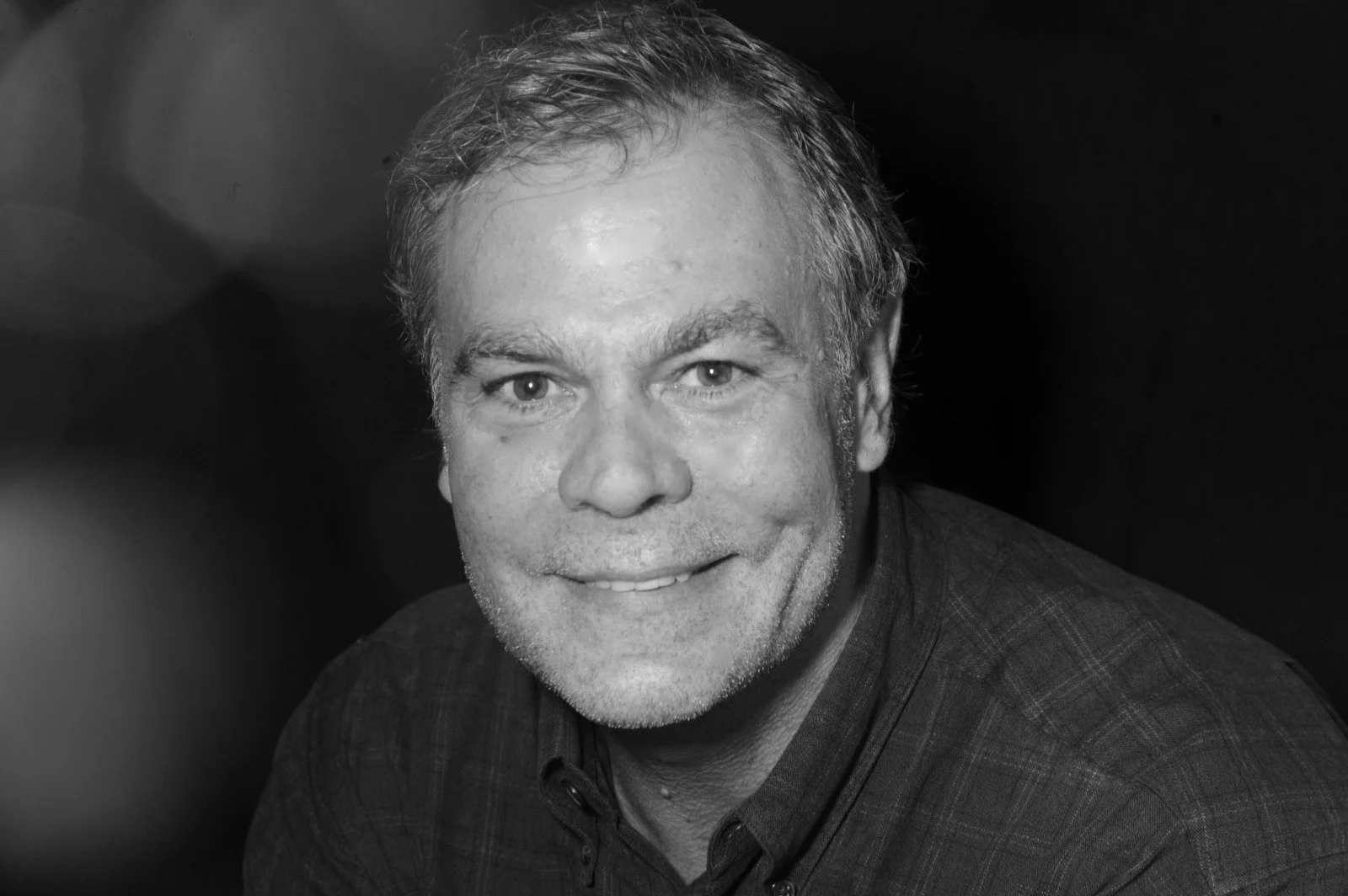
![Tom Wilscam]()
Tom Wilscam
Peace Museum Paris



Your support fuels progress and brings hope where it's needed most.
Support Peace Today!